
As temperatures drop and cold and flu season approaches, supporting the immune system becomes especially important. While seasonal illnesses are a normal part of life, the body’s ability to respond to infections is influenced by many factors, including nutrition, sleep, metabolic health, physical activity, and stress.
Functional medicine emphasizes strengthening the body’s natural defenses rather than focusing exclusively on symptoms after illness develops.
Many traditional wellness practices, including therapeutic heat, herbal preparations, and nourishing broths, have been used for generations to support the body during seasonal changes.
The following strategies offer practical ways to support immune resilience throughout the cooler months.
1. Use Heat to Support Immune Function
Heat has been used therapeutically across cultures for centuries. Finnish saunas, Turkish hammams, Japanese hot springs, and traditional sweat baths all reflect the longstanding recognition that heat can influence circulation, recovery, and overall health.
One particularly interesting application is passive heat therapy, sometimes described as fever-range hyperthermia or an artificially induced fever.
The Connection Between Heat and Immunity
Fever is not simply an unpleasant symptom of illness. It is a coordinated physiological response involving the hypothalamus, immune signaling molecules, and the body’s temperature-regulation mechanisms.
When the immune system detects an infection, certain inflammatory mediators can signal the hypothalamus to raise the body’s temperature set point.
This temperature increase can influence immune-cell activity and create conditions that affect the replication of certain pathogens.
Research suggests that therapeutic heat can support several important physiological processes, including immune cell mobilization, activation of heat-shock proteins, increased circulation and blood vessel dilation, inflammatory signaling through cytokines, and fever-range hyperthermia, which influences immune cell activity and communication.
A 2026 Finnish sauna study found that a 30-minute session increased average body temperature from 36.4°C to 38.4°C while temporarily increasing circulating immune cells.
Similarly, a 2025 study comparing traditional saunas, infrared saunas, and hot-water immersion found that hot-water immersion produced the greatest increase in core temperature, along with measurable changes in immune-related markers.
These findings are especially interesting from a functional medicine perspective because they demonstrate that heat is capable of influencing physiological pathways involved in immune regulation.
Practical Ways to Incorporate Therapeutic Heat
Traditional Sauna: Periodic sauna sessions provide controlled heat exposure and have been studied for cardiovascular, metabolic, and immune-related effects.
Infrared Sauna: Infrared saunas provide heat exposure at lower ambient temperatures than many traditional saunas. Their effects on core temperature may differ from those of traditional sauna bathing.
Hot Baths: Warm-to-hot water immersion can increase circulation and core body temperature. Research suggests that water immersion can produce substantial physiological responses because water transfers heat efficiently.
Warm Showers and Steam: These provide a gentler form of heat exposure and may offer temporary relief from congestion and muscle tension.
The objective is controlled, tolerable heat exposure rather than overheating. Hydration, individual heat tolerance, and cardiovascular health should guide its use. Deliberately trying to intensify an existing fever is not recommended.
From a functional perspective, heat is an example of hormesis—the concept that a manageable physiological stressor can stimulate adaptive responses that may support resilience over time.
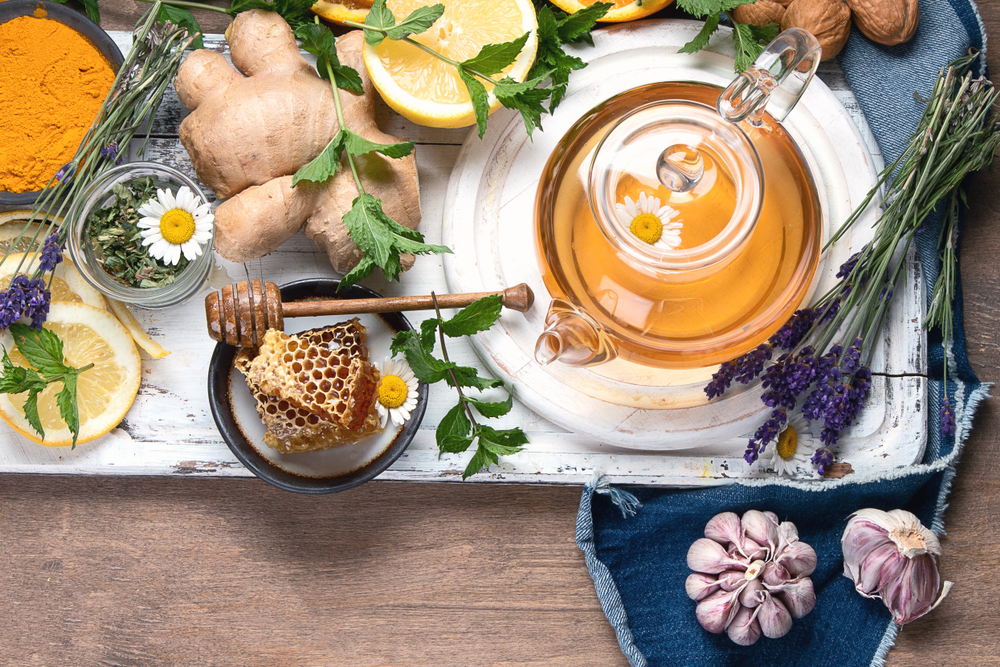
2. Add Honey, Lemon, and Cayenne Tea to Your Routine
Warm herbal beverages have long been used during cooler weather to support hydration and respiratory comfort.
One simple preparation combines honey, lemon, and cayenne pepper.
Each ingredient provides unique properties:
Raw Honey: Contains antioxidants and naturally occurring plant compounds. Honey has also demonstrated benefits for soothing irritated throats and reducing cough frequency.
Fresh Lemon: Provides vitamin C, flavonoids, and other antioxidant compounds that support normal cellular function.
Cayenne Pepper: Contains capsaicin, a compound responsible for its warming sensation. Capsaicin interacts with sensory receptors and may temporarily influence nasal secretions.
Fresh Ginger: Contains gingerols and other bioactive compounds studied for their antioxidant and anti-inflammatory effects.
Honey, Lemon & Cayenne Tea
Ingredients:
- 8–10 ounces warm water
- Juice of ½ fresh lemon
- 1–2 teaspoons raw honey
- A small pinch of cayenne pepper
- Optional: Freshly grated ginger
Combine the ingredients and sip slowly while warm.
This preparation can be especially comforting during cold weather or when experiencing mild throat irritation. Cayenne can be omitted if it aggravates reflux or throat discomfort. Honey is not appropriate for infants younger than one year.
3. Limit Processed Sugar and Refined Foods
Immune function depends on adequate nutrition and healthy metabolic regulation.
Diets consistently high in added sugars and heavily processed foods may contribute to poor metabolic health and crowd out foods that provide essential vitamins, minerals, fiber, and antioxidants.
Blood glucose regulation is particularly relevant because chronic hyperglycemia can impair aspects of immune-cell function.
Rather than focusing exclusively on avoiding certain foods, emphasize nutrient density.
Choose whole fruits, colorful vegetables, quality proteins, healthy fats, legumes, nuts, and seeds.
Replacing sugary snacks with nutrient-rich alternatives is a simple way to improve overall dietary quality.
4. Prioritize Restorative Sleep
Sleep is essential for immune regulation, tissue repair, and healthy inflammatory signaling.
During sleep, the body coordinates important immune processes, including aspects of immune memory and cellular communication.
Chronic sleep restriction can interfere with these processes and has been associated with increased susceptibility to certain respiratory infections.
Most adults should aim for approximately 7–9 hours of sleep nightly.
Helpful habits include maintaining consistent sleep and wake times, getting morning sunlight, reducing evening screen exposure, and keeping the bedroom cool and dark.
Sleep is one of the most accessible tools for supporting the body’s natural recovery systems.
5. Stay Physically Active During Cooler Weather
Regular movement supports circulation, insulin sensitivity, cardiovascular function, and healthy immune regulation.
Although outdoor activity may become less appealing as temperatures drop, there are many ways to remain active.
Consider:
- Walking outdoors during the warmest part of the day
- Using a treadmill or stationary bicycle
- Practicing yoga or Pilates
- Incorporating resistance training
- Dancing at home
- Walking indoors at a shopping center
- Performing short bodyweight workouts
- Taking movement breaks throughout the workday
Moderate, consistent physical activity supports long-term health without requiring strenuous daily exercise.
Aim for approximately 150 minutes of moderate activity weekly, along with strength training, adjusting for individual ability and recovery needs.
6. Nourish the Body With Healing Herbs and Warming Soups
Nutrition provides the raw materials necessary for immune-cell development, tissue repair, and antioxidant defense.
During cooler months, homemade soups and broths offer an excellent opportunity to combine protein, vegetables, minerals, herbs, and fluids.
Beneficial Herbs and Spices
Garlic: Contains sulfur compounds, including allicin, that have been investigated for antimicrobial and immune-related activity.
Ginger: Rich in gingerols and related compounds that may influence inflammatory pathways and oxidative stress.
Turmeric: Contains curcumin, a polyphenol studied for its effects on inflammatory signaling.
Thyme: Contains thymol and other aromatic compounds traditionally associated with respiratory wellness.
Oregano: Provides carvacrol, rosmarinic acid, and additional antioxidant compounds.
Rosemary: Contains rosmarinic and carnosic acids, which contribute to its antioxidant properties.
These herbs can be incorporated into everyday cooking to increase both flavor and beneficial plant-compound intake.
Nourishing Soup Ideas
Chicken and Garlic Soup: Combine chicken, carrots, celery, onion, garlic, thyme, parsley, and broth.
Ginger-Turmeric Chicken Soup: Prepare with shredded chicken, fresh ginger, turmeric, garlic, carrots, and leafy greens.
Beef and Root Vegetable Stew: Slow-cook beef with carrots, sweet potatoes, celery, onions, and rosemary.
White Bean and Vegetable Soup: Combine white beans, kale, zucchini, garlic, olive oil, and fresh herbs.
These meals provide a combination of protein, fiber, vitamins, minerals, and hydration that supports overall wellness.
7. Support Hydration and Stress Regulation
Hydration remains important even when cooler temperatures reduce the sensation of thirst.
Water supports circulation, nutrient transport, temperature regulation, and normal mucous membrane function.
Warm herbal teas, broths, and water-rich foods can help maintain adequate fluid intake.
Stress management is equally important. Prolonged psychological stress can influence cortisol signaling, sleep quality, inflammation, and immune regulation.
Daily practices such as prayer, meditation, breathing exercises, journaling, and spending time outdoors can help regulate the stress response.
Functional medicine recognizes that the nervous system, endocrine system, and immune system are closely interconnected.
8. Supplements That May Support Immune Health
Although whole foods and healthy lifestyle habits form the foundation of immune wellness, targeted supplementation may be helpful when nutritional needs are not being met.
Vitamin D: Supports immune regulation and cellular signaling. Assessing vitamin D status can help guide individualized supplementation.
Vitamin C: Supports immune-cell function, collagen production, and antioxidant defenses. Regular supplementation may modestly reduce the duration of common colds in some individuals.
Zinc: Essential for normal immune-cell development and function. Certain zinc lozenges may shorten cold duration when started early, although formulation and dosage matter.
Probiotics: Specific strains may support intestinal barrier function and influence immune signaling through the gut-immune connection.
Elderberry: Contains anthocyanins and other polyphenols. Preliminary research has explored its potential effects on respiratory symptom duration.
Magnesium: Participates in hundreds of enzymatic processes and supports normal nervous system, muscle, and metabolic function.
Supplementation is most effective when individualized according to nutritional status, dietary intake, health history, and medication use.
When to Talk With Your Healthcare Provider
Frequent respiratory infections, prolonged fatigue, poor recovery, or persistent symptoms may warrant a more comprehensive evaluation.
A functional approach may include assessing sleep, nutritional adequacy, metabolic health, stress, and other factors influencing immune resilience.
Healthy habits complement—not replace—appropriate infection prevention and medical treatment. Hand hygiene, good ventilation, and recommended immunizations remain valuable during respiratory illness season.
The Bottom Line
Supporting immune health during the cooler months involves more than avoiding germs or reaching for supplements when symptoms appear.
Therapeutic heat, nutrient-dense meals, traditional herbs, restorative sleep, regular movement, and healthy metabolic regulation all offer opportunities to support the body’s natural physiological processes.
One of the most interesting areas of emerging research involves the relationship between heat exposure and immune function. Longstanding cultural practices such as sauna bathing and hot-water immersion are now being examined for their effects on immune-cell mobilization, heat-shock proteins, circulation, and inflammatory signaling.
Functional medicine encourages us to understand these interconnected processes and incorporate sustainable practices that support resilience over time.
As we move through the cooler months, make your health a priority—not simply to avoid illness, but to feel your best, stay strong, and fully enjoy the moments that matter most.
Margaret McNamara, PhD