
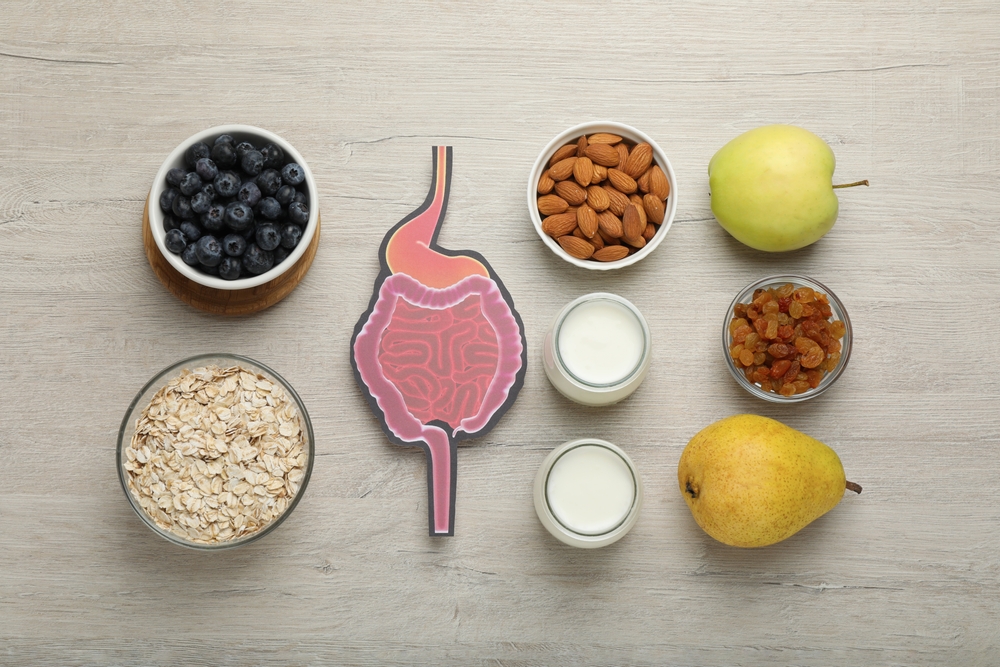
Your gut does much more than digest food. A growing body of research shows that gut health is connected to many aspects of overall health, including digestion, immune function, mood, brain health, sleep, hormone balance, weight management, skin health, allergies, and nutrient absorption. While researchers continue to learn more about these connections, it’s clear that caring for your gut can have benefits that extend well beyond your digestive system.
It’s also important to remember that there is no one-size-fits-all approach to gut health. Your genetics, medical history, lifestyle, and unique gut microbiome all influence how your body responds to different foods and habits. The recommendations below provide a healthy starting point for most people, but some individuals benefit from a more personalized approach.
Foods and Habits to Limit
Ultra-Processed Foods. Highly processed foods are often high in refined carbohydrates, added sugars, unhealthy fats, and food additives while being low in fiber and nutrients. Choosing whole, minimally processed foods more often can help support a healthier gut.
Excess Added Sugar. Too much added sugar may encourage the growth of less beneficial bacteria and contribute to inflammation.
Excess Alcohol. Alcohol can irritate the digestive tract and may disrupt the balance of beneficial gut bacteria.
Artificial Sweeteners. Some research suggests that certain artificial sweeteners may alter the gut microbiome in some individuals, although responses vary from person to person.
Frequent NSAID Use. Frequent use of medications such as ibuprofen and naproxen may irritate the intestinal lining. Always take medications as directed and discuss long-term use with your healthcare provider.
Foods to Add
Fiber-Rich Foods. Vegetables, fruits, legumes, nuts, seeds, and whole grains provide fiber that nourishes beneficial gut bacteria and supports digestive health.
Fermented Foods. Plain yogurt with live cultures, kefir, sauerkraut, kimchi, and miso contain beneficial microorganisms that may help support a diverse gut microbiome.
Prebiotic Foods. Garlic, onions, leeks, asparagus, bananas, oats, and Jerusalem artichokes contain fibers that feed beneficial bacteria already living in the gut.
Omega-3 Rich Foods. Fatty fish such as salmon and sardines, along with flaxseed, chia seeds, and walnuts, provide omega-3 fats that help support a healthy inflammatory response.
Polyphenol-Rich Foods. Berries, green tea, olive oil, herbs, spices, and even small amounts of dark chocolate contain plant compounds that may encourage microbial diversity.
Stay Hydrated
Drinking enough water supports healthy digestion and regular bowel function.
Healthy Lifestyle Habits
- Eat slowly and chew your food thoroughly.
- Aim for a variety of colorful plant foods each week.
- Exercise regularly.
- Prioritize quality sleep.
- Manage stress through activities such as prayer, mindfulness, breathing exercises, or spending time outdoors.
When to Talk With Your Healthcare Provider
Persistent abdominal pain, unexplained weight loss, blood in the stool, chronic diarrhea, constipation, or ongoing bloating should be evaluated by your healthcare provider rather than self-treated.
A Personalized Approach to Gut Health
While the recommendations above provide an excellent foundation for supporting gut health, they are only the beginning. Every person’s digestive system is unique. Genetics, previous antibiotic use, infections, medications, chronic medical conditions, stress, sleep, diet, and the composition of the gut microbiome can all influence how your body functions and why symptoms develop. Two people with similar digestive complaints may have very different underlying contributors.
For individuals looking for a deeper understanding of their digestive health, Bonne Vie 3 Functional Health & Wellness offers educational nutrition and lifestyle consultations that take your health history, symptoms, and goals into account. When appropriate, functional laboratory testing can provide additional insight into areas such as digestion, the gut microbiome, inflammation, intestinal permeability, and nutrient status to help guide personalized nutrition and lifestyle recommendations.
If you’d like to learn more about supporting digestive health, The Gut Reset is also available through the Bonne Vie website at www.bonneviehealth.org. The book explores the science behind gut health and provides practical, evidence-informed strategies to help you build healthy habits that support digestion and overall wellness.
The Bottom Line
Healthy gut habits don’t require perfection. Consistently choosing whole, minimally processed foods, eating plenty of fiber-rich plants, staying active, getting adequate sleep, managing stress, and staying hydrated can all help support a healthier digestive system. While these recommendations are beneficial for many people, the best approach is one that is tailored to your unique health history and individual needs.