
HEALTH AND WELLNESS BLOG
Microdosing GLP-1 Agonists: A New Frontier in Metabolic and Immune Health
GLP-1 receptor agonists like semaglutide and tirzepatide have revolutionized weight loss and diabetes care. But a growing number of patients and clinicians are exploring microdosing—taking a fraction of the standard dose—to unlock broader health benefits with fewer side effects.

The Top 4 Types of Oral Magnesium Supplements and Their Specific Uses
Magnesium is an essential mineral involved in over 300 enzymatic processes in the body, influencing energy production, nervous system health, muscle function, and digestion. Not all magnesium supplements are created equal—the form you choose can dramatically influence its effectiveness depending on your goal.

Hormones and the Female Genital Tract: Why Estrogen and Testosterone Matter More Than You Think
The female genital tract is rich in both estrogen and testosterone receptors, which play critical roles in maintaining tissue structure, function, and overall health. These receptors are not limited to reproductive function; they also influence sexual sensation, urinary continence, and tissue integrity.

Is a Continuous Glucose Monitor Right For You?
Continuous Glucose Monitors (CGMs) have revolutionized the way individuals—especially those with diabetes—track and manage their blood sugar levels. While CGMs are primarily prescribed for people with Type 1 or Type 2 diabetes, there’s growing interest among non-diabetics and wellness enthusiasts who use them to understand how specific foods and lifestyle choices affect their glucose levels.
Microplastics in the Human Body: What We Know So Far
Over the last decade, research has increasingly shown that microplastics—tiny fragments of plastic less than 5 mm in size—are not just an environmental concern, but also a human health issue. Evidence suggests that these particles can accumulate in the bloodstream and tissues, raising concern about long-term biological effects.
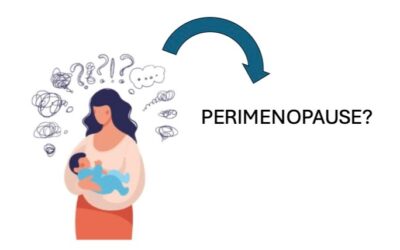
Postpartum to Perimenopause: Navigating the Overlap in Women’s Health
In recent decades, more women are choosing to have children in their late 30s and early 40s—a trend that reflects greater reproductive autonomy and advances in fertility care. However, this timing can create a unique overlap between the postpartum period and the onset of perimenopause, two hormonally intense phases that share many symptoms.

Can Hearing Aids Help Prevent Dementia? New Research Says Yes—Especially for Those in Their 60s
As the global population ages, the search for effective strategies to prevent dementia becomes increasingly urgent. A growing body of research now points to a surprisingly simple intervention: hearing aids.
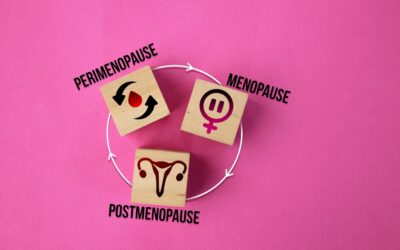
What Is Perimenopause? Understanding the Transition and Treatment Options
Perimenopause is the natural transitional phase leading up to menopause, marked by fluctuating hormone levels—especially estrogen and progesterone—as the ovaries gradually slow down their function.

Testosterone Therapy Shows Promise in Reducing Hip Fractures and Enhancing Recovery in Older Adults
A recent study highlighted by the American Academy of Orthopaedic Surgeons (AAOS) has shed light on the potential benefits of testosterone therapy in reducing the risk of hip fractures and improving post-surgical recovery, particularly in older women.
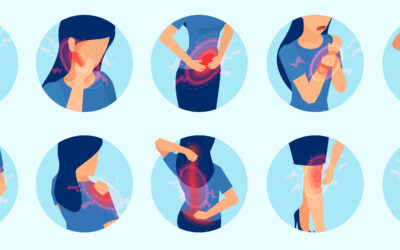
Menopause and Autoimmunity: Unraveling the Hormonal Link
Menopause marks a significant hormonal transition, particularly the decline of estrogen and progesterone, which play critical roles in immune regulation.